
The quick answer
- Damaged branches need assessment whenever they appear, so keep clear and call instead of waiting for a routine pruning season.
- Routine pruning of shade trees that enter dormancy generally suits their winter rest, with species-specific exceptions.
- Flowering habits and palm condition change the schedule, making tree identification part of choosing a suitable pruning date.
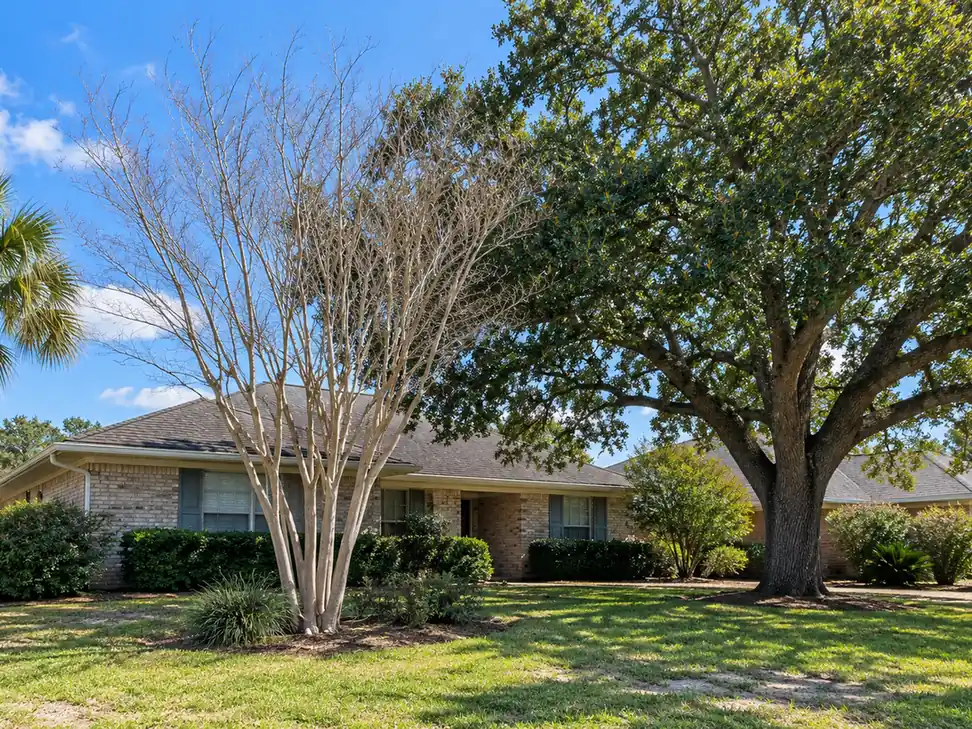
Pruning Timing Along the Yard Walk
Pruning timing follows the tree's condition, species and growth cycle. A broken branch needs a different conversation from a healthy canopy that needs more room above the driveway.
Look Up at Damage and Seasonal Growth
Dead or storm-broken limbs can be addressed at any time of year, according to UF/IFAS Extension's storm preparation guidance. Keep people, pets and cars away from cracked or hanging branches and leaning trees. Call when you notice the change; the calendar does not need to reach a preferred pruning month first.
Routine live-branch work follows a different schedule. For trees that enter dormancy, UF/IFAS seasonal guidance places major pruning during that rest period, usually winter. The period just before spring growth is suitable for encouraging growth. Your technician considers the species and purpose when pruning trees.
Look Down at Roots and the Tree's Identity
Root and trunk observations help your technician decide whether routine canopy work addresses the problem. Mention exposed roots, changes around the base or a new lean during the call. Take photographs only from a safe distance.
The question of when trees should be trimmed starts with identifying what is growing. A dormant crape myrtle, an evergreen live oak and a palm do not need matching appointments or matching amounts removed.
| Tree or plant | Timing supported by UF/IFAS |
|---|---|
| Shade trees that enter dormancy | Major work during the winter rest period, following UF/IFAS seasonal guidance. |
| Live oak | UF/IFAS live oak guidance recommends structural pruning annually during the first five years, then every three years through age 30. |
| Crape myrtle | Late winter is preferred in UF/IFAS crape myrtle guidance. |
| Palms | No single season is preferred; condition and the fronds involved matter, according to UF/IFAS palm guidance. |
| Deciduous fruit trees | UF/IFAS fruit-tree guidance recommends late winter or early spring dormancy, after the likelihood of extreme cold has passed. |
| Shrubs flowering on old wood | Prune soon after bloom, following UF/IFAS timing guidance. |
Look Around at Flowers and the Season
Flowering habits help determine the tree trimming time of year that preserves blooms. Plants flowering on last year's wood are pruned soon after bloom. Your technician can identify the flowering habit while assessing the proposed work.
Tree trimming in fall deserves a species check. UF/IFAS warns that late-fall or early-winter pruning can stimulate tender growth vulnerable to cold. When to trim a tree depends on the time of year and what the proposed cuts are meant to accomplish.
Tree trimming in summer can include damaged-limb work, consistent with UF/IFAS guidance on year-round assessment and maintenance. Routine reshaping still needs a reason and a species-based plan. Call about branches crowding a fence and discuss the purpose of pruning with your technician.
The House Side and the Amount Removed
Roof and screen-enclosure clearance calls for selective pruning suited to the tree. Pruning is good for trees when the work serves their structure and condition; the amount removed matters as much as timing.
Discuss a limited scope with your technician. UF/IFAS proper-pruning guidance rejects flush cuts and stripping out interior branches. Its crape myrtle page explains that topping produces weaker growth. Palm guidance advises retaining healthy green fronds and rejects hurricane cuts. Removing too much living canopy is not a shortcut to a suitable shape.
The Street Side and Storm Planning
Storm preparation needs enough time to finish pruning and remove the debris. UF/IFAS storm guidance advises against pruning immediately before a storm because branches and brush may remain outdoors. Plan routine work ahead of hurricane season; heavy last-minute pruning does not replace a maintenance plan.
Deciding when to trim tree branches near wires also involves the electric utility. Treat any sagging or downed wire as live, stay well away and call the utility serving the address or 911 for an emergency. FPL lists immediate reporting instructions for downed lines.
One of our local tree service partners will explain the pruning scope, debris removal and price before the job begins. For service details, see tree trimming and pruning.